Live · Indian science, decoded weekly
The science of Bharat, explained clearly.
Visual explainers, classroom infographics, and curated learning tracks on Indian space missions, monsoon physics, climate, biology, and the AI that shapes tomorrow.
- Explainers published
- 0
- Learning tracks
- 0
- Classroom-ready visuals
- 0
- Reading regions
- 0Indian states + UTs
Chandrayaan-3 confirms lunar sulphur signatures near the south pole.
Aditya-L1 returns first coronagraph imagery of solar storms.
Monsoon 2026 onset forecast revised — IMD shares ocean-heat-content data.
NavIC adds two new satellites — coverage now extends to 1,500 km offshore.
CSIR researchers map 13 new tropical plant species in the Western Ghats.
LIGO-India site preparation begins in Hingoli — operational window 2030.
Explainers
Hard science, made visual
Every explainer pairs a strong visual with a single key idea, classroom prompts, and a fact-checked reference list. Built to scan in five minutes or teach for forty.
Tracks
Pick a path. Go deep.
Each track is a structured journey - start with the basics, finish with the frontier. Curated by working scientists and classroom teachers.
01
Climate & Earth
Earth systems, weather, climate, and sustainability.
6 explainers 02 Future TechRobotics, AI, computing, and emerging technology.
6 explainers 03 Space IndiaAstronomy, ISRO, planets, missions, and sky science.
6 explainers 04 Young ExplorersFoundational science stories for students starting out.
6 explainersWhat we believe
Science is not a Western export. It is a human birthright — and India has been doing it for three thousand years. We translate it into the clearest possible visuals, in the language of curious humans.
— Bharat Science editorial
From clay tablets to satellite telemetry. Bharat Science is the next page.
Live · This week across India
Real classrooms, real homes, real readers.
Bharat Science is built to be picked up — by a teacher at 7 AM, a parent on WhatsApp at 9 PM, a journalist on deadline, a student before exams. Here's how it's being used right now.

RS
Saved "Why Chandrayaan-3 Chose the South Pole" for her annual science exhibition. Built a trifold board with the explainer's diagrams. Took the Knowledge Check the night before — scored 100%.
Space India · Student
100%Quiz score
MP
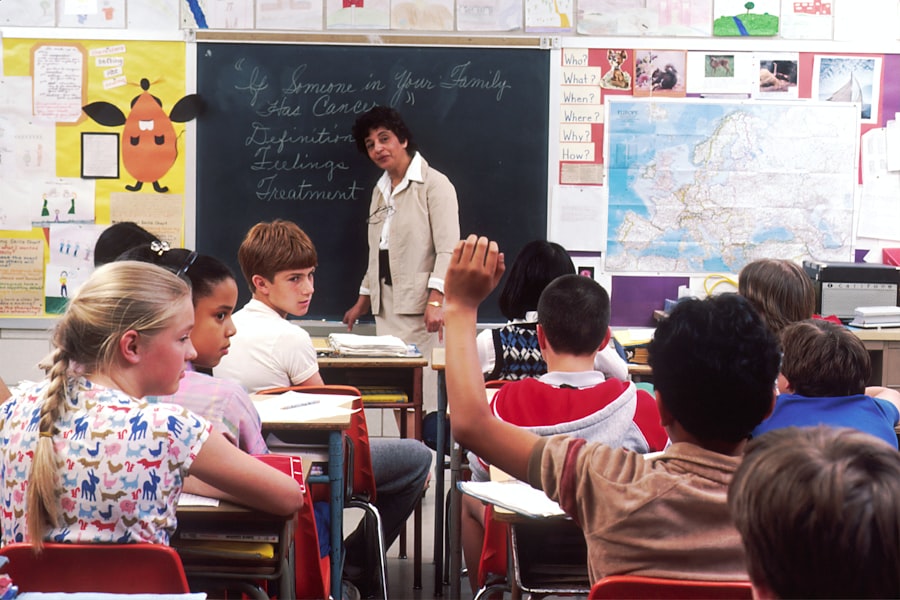
Printed "Monsoon Science in 5 Minutes" as classroom-ready A4 worksheets for his Class 8 section — 42 copies for tomorrow's 9 AM lesson, complete with diagram, discussion prompt, and quick-recall questions.
Classroom · Teacher
42×Worksheets

AM
Shared "How AI Learns Patterns" on her family WhatsApp group. Her 11-year-old Aarav asked follow-up questions all evening — and Anjali sent it to her school parents' group at 9 PM.
WhatsApp · Parent
4 chatsForward chain

DK
Cited "Aditya-L1 Coronagraph Findings" as the visual reference in her opinion column on India's solar-storm preparedness — picked up the explainer's L1 diagram and credited Bharat Science in the caption.
Press · Journalist
The HinduPg. 11 · May 2026
0
Explainers read this week
0
Worksheets printed
0
WhatsApp shares
0
States reached
Infographics
Downloadable. Printable. Teachable.
Every infographic is high-resolution, classroom-licensed, and engineered for the back wall of a science room - or the screen on a 2G connection.